



🇬🇧 The History of Düsternbrook Safari Guest Farm
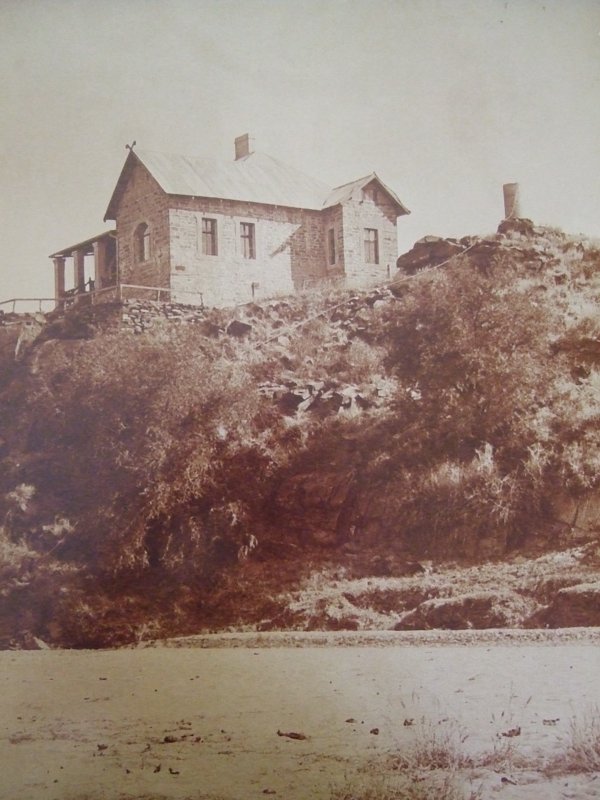
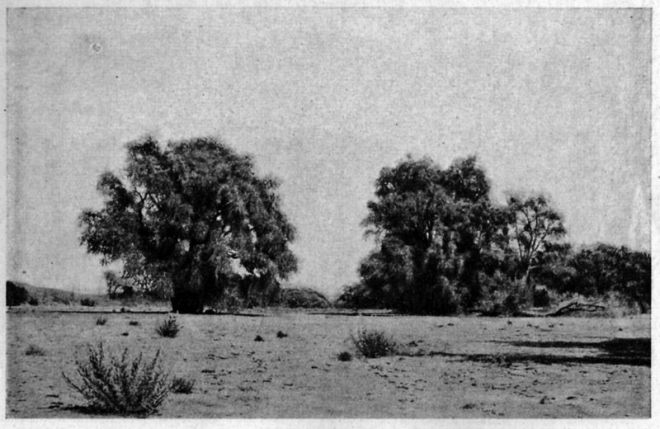
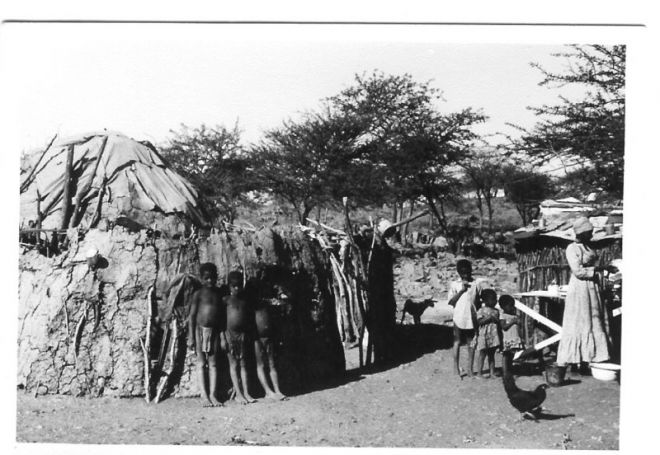
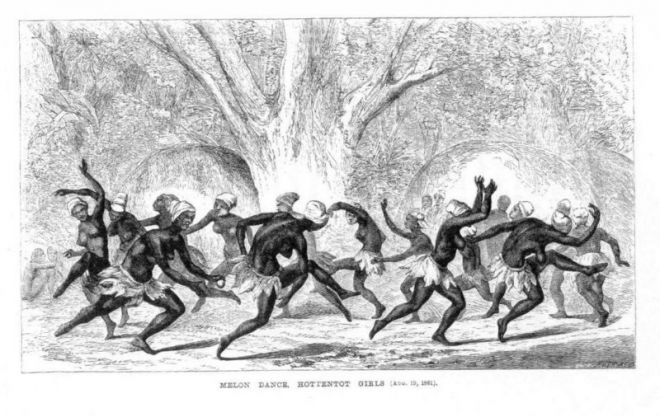
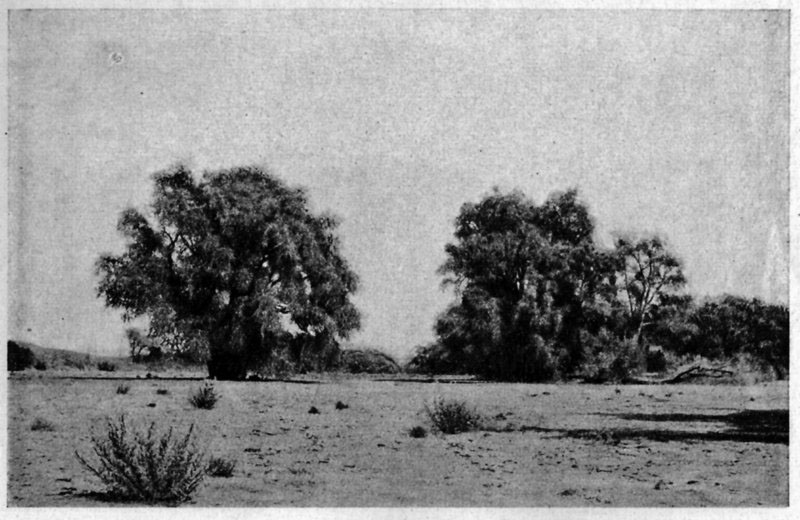
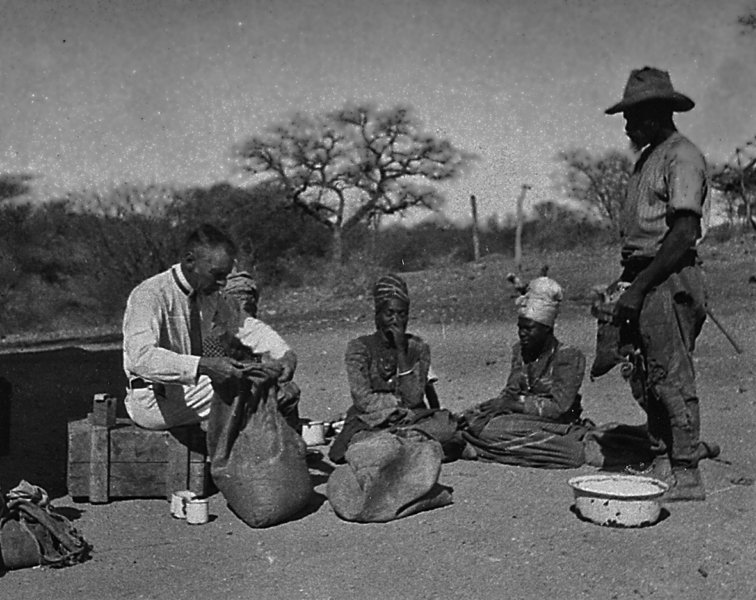
The history of today’s Düsternbrook Safari Guest Farm dates back to the middle of the 19th century. Early travellers and explorers such as Thomas Baines and James Chapman referred to the area as Otjihorongo, meaning “Place of the Kudu.”
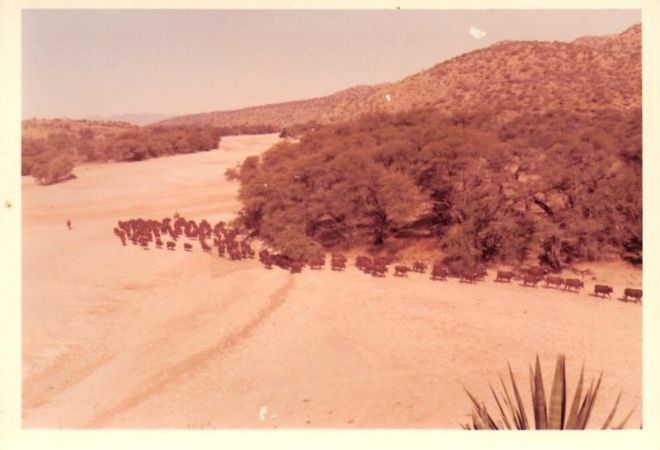
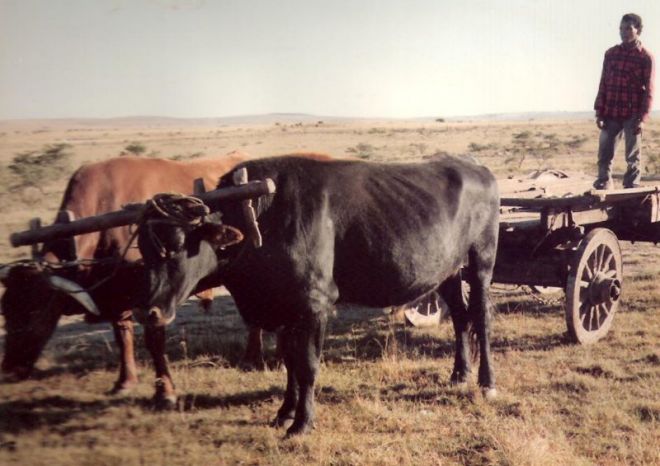
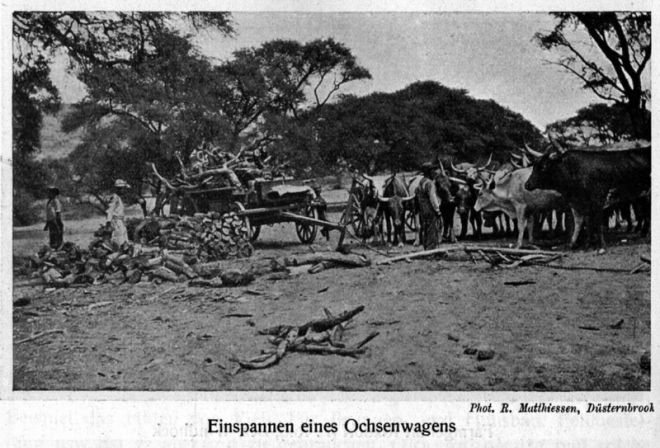
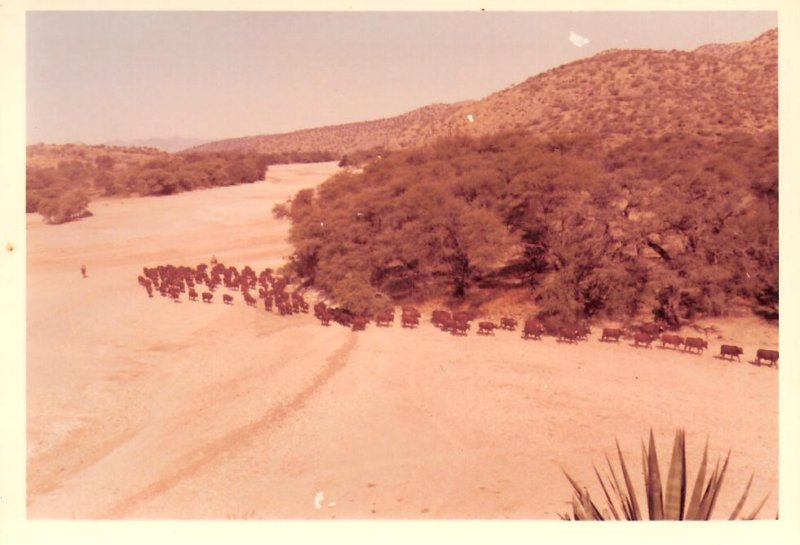
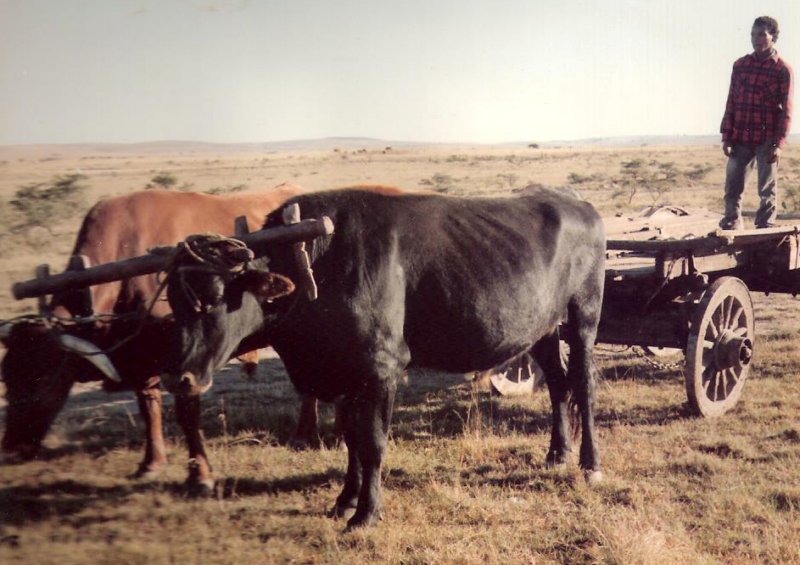
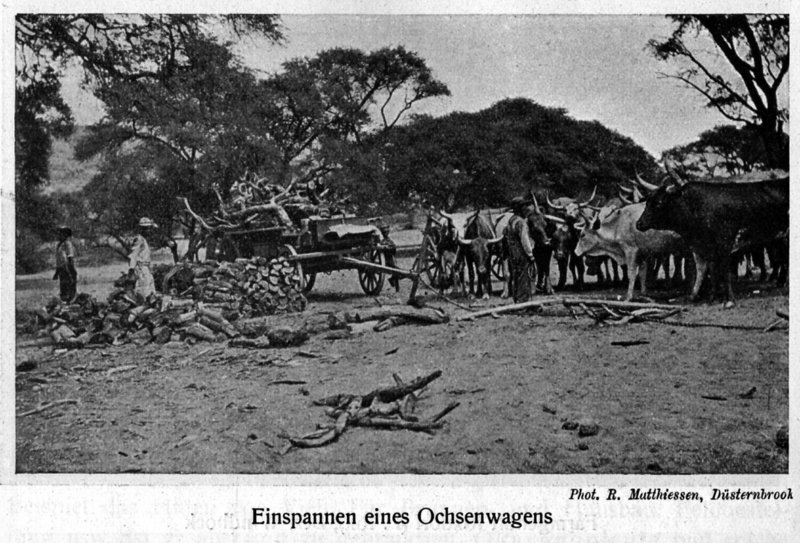
Otjihorongo was situated along the historic Bay Road, one of the most important ox-wagon routes of its time. Supplies from the harbour town of Walvis Bay were transported along this route to the central regions of the country. Following an outbreak of contagious bovine pleuropneumonia (lung sickness), one of the region’s earliest veterinary quarantine stations was established at a spring near Otjihorongo, known as Dabi Poort.
The station operated under the authority of Jonker Afrikaner, one of the most influential Oorlam-Nama leaders of the period. Oxen arriving from infected areas were not permitted to continue their journey and had to be exchanged for healthy animals in order to prevent the further spread of the disease.
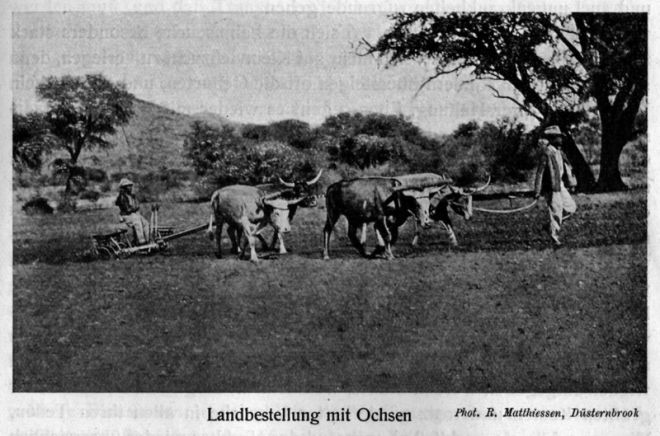
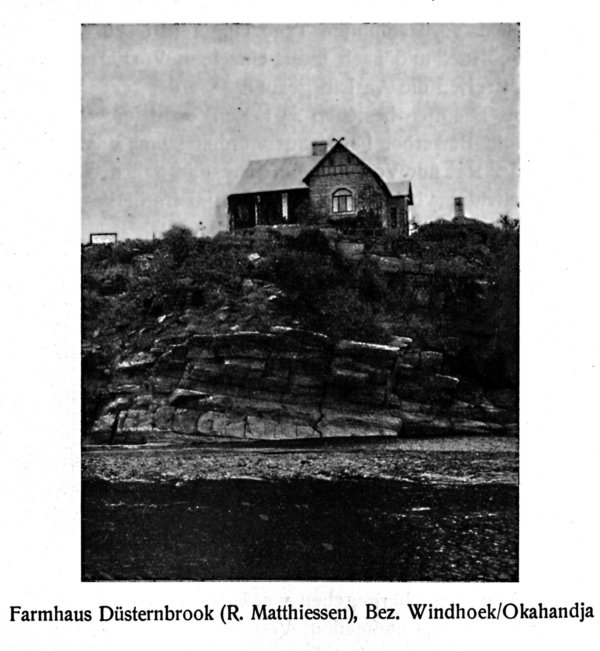
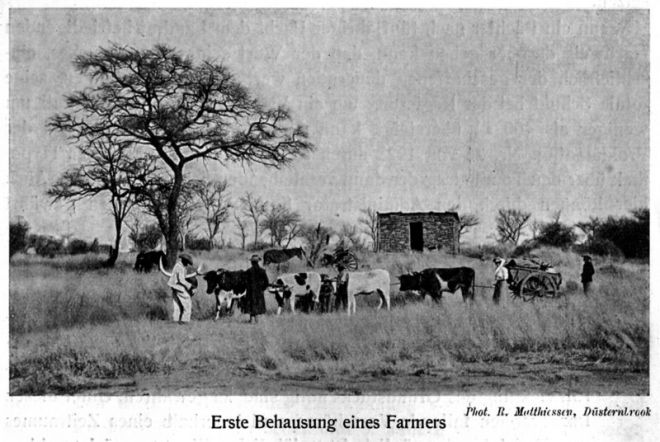
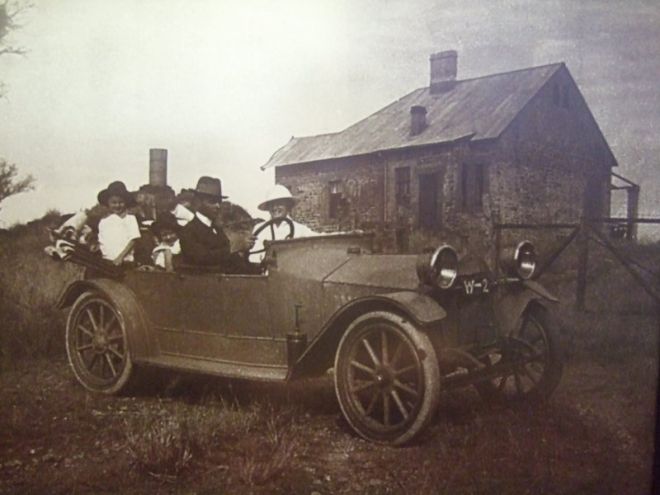
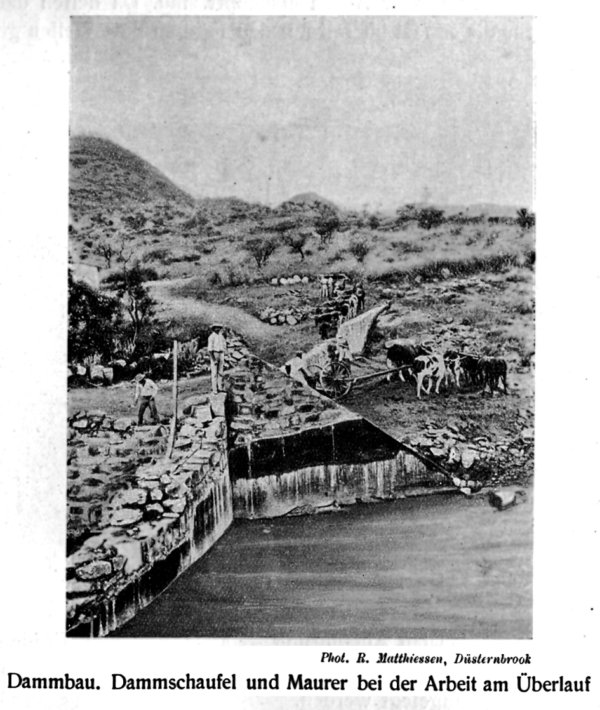
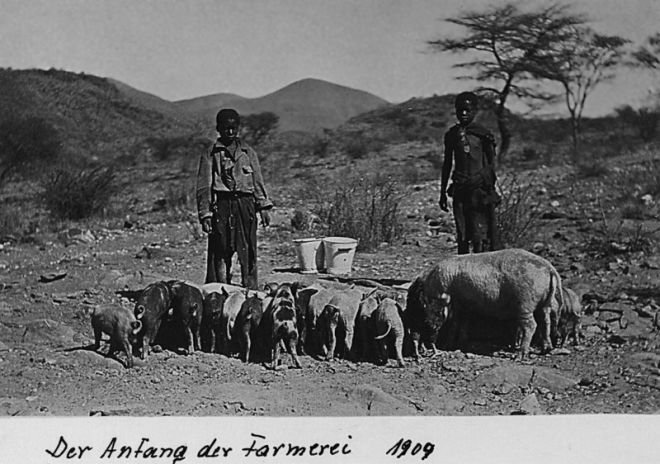
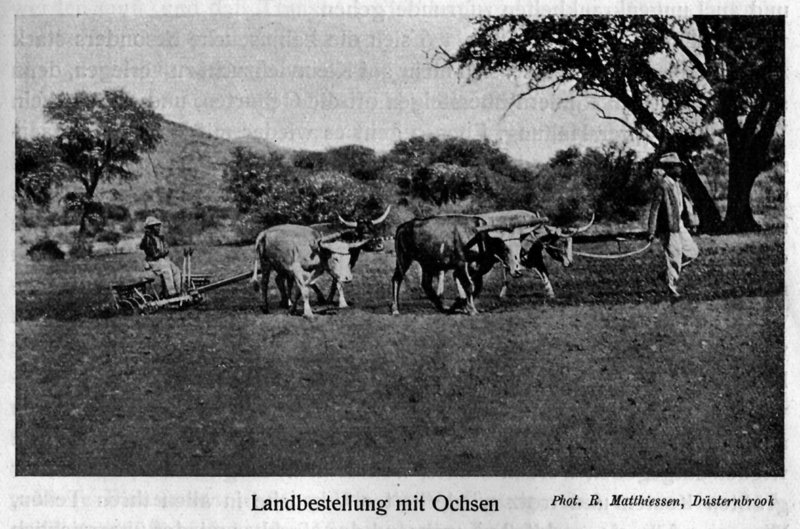
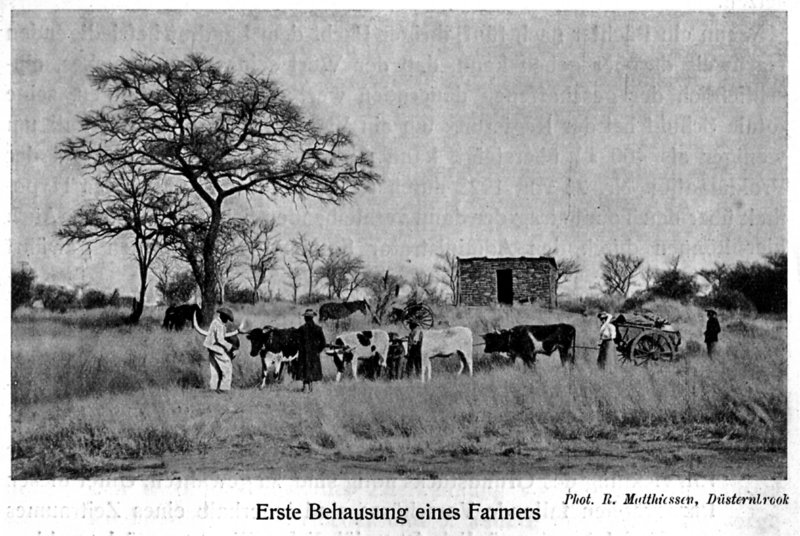
In 1908, Lieutenant Commander Matthiesen purchased the farm and named it Düsternbrook after a district in his hometown of Kiel, Germany. The farm has carried this name ever since.
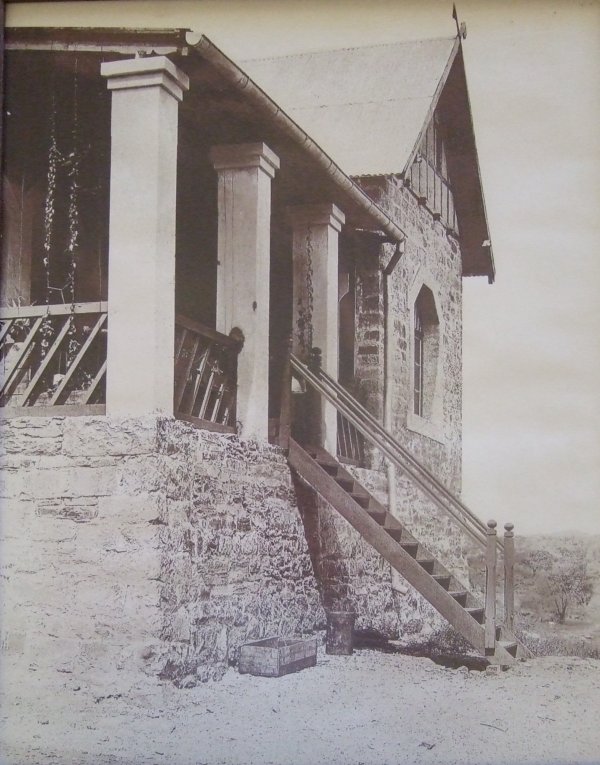
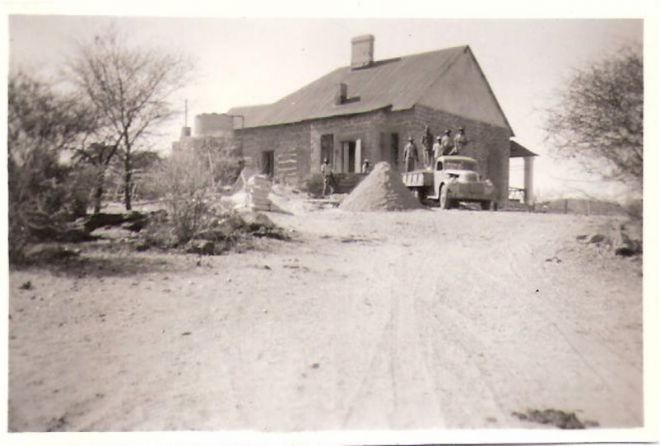
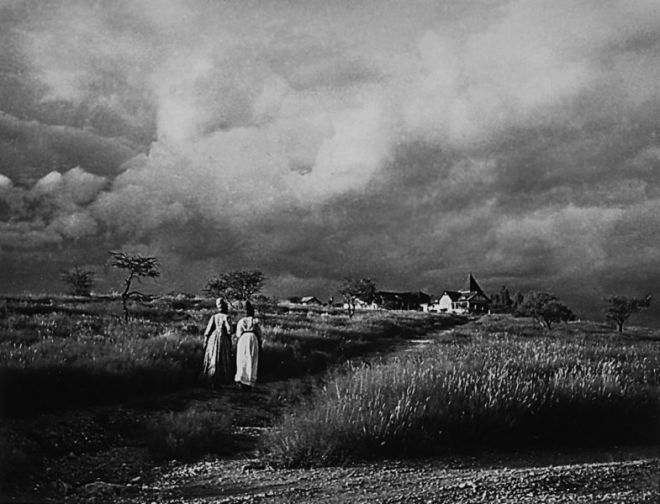
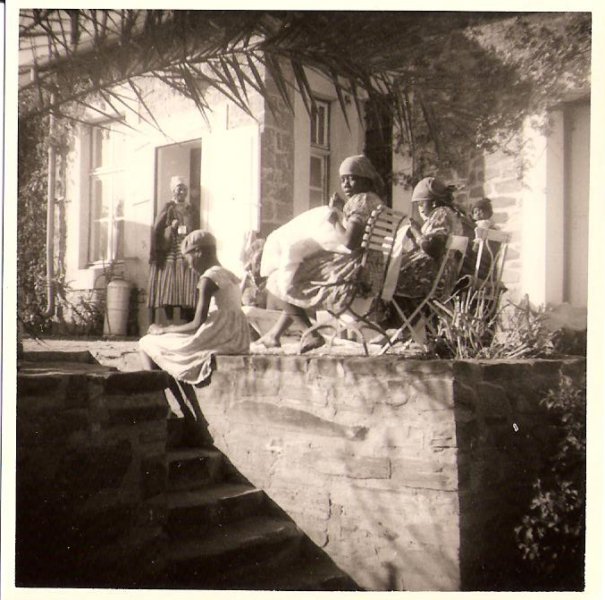
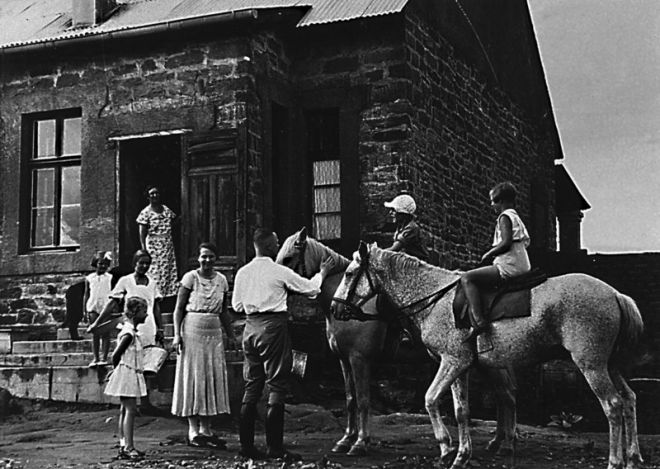
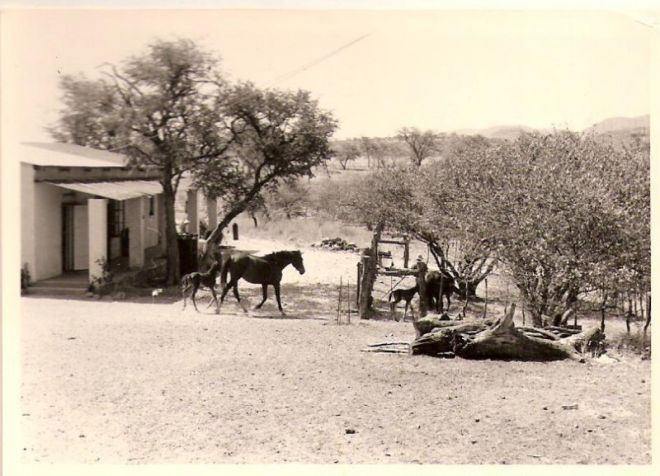
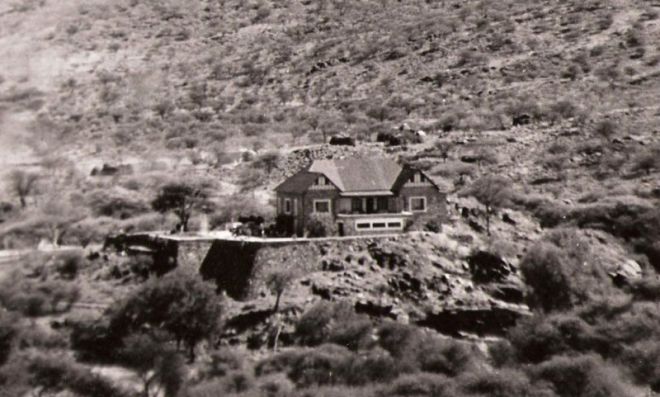
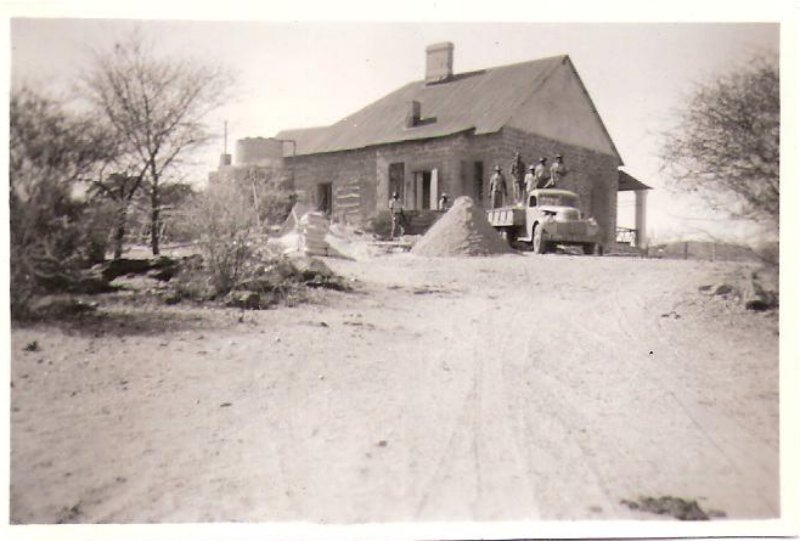
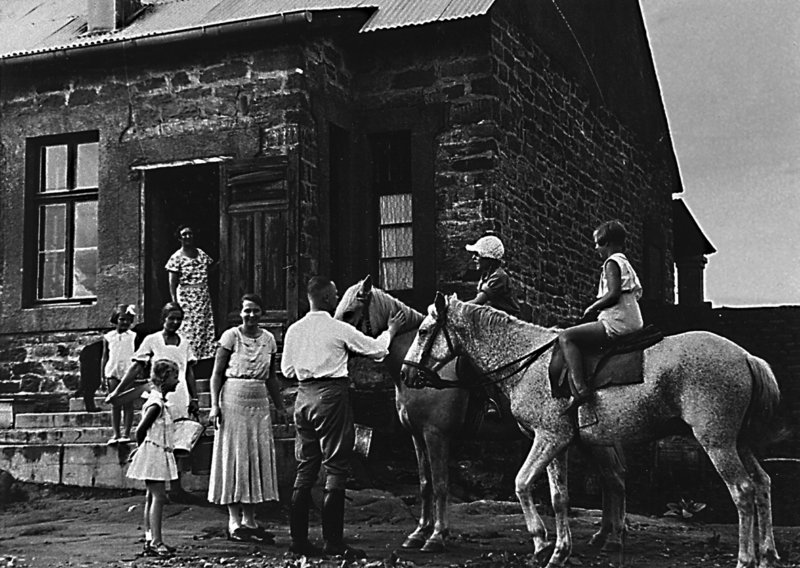
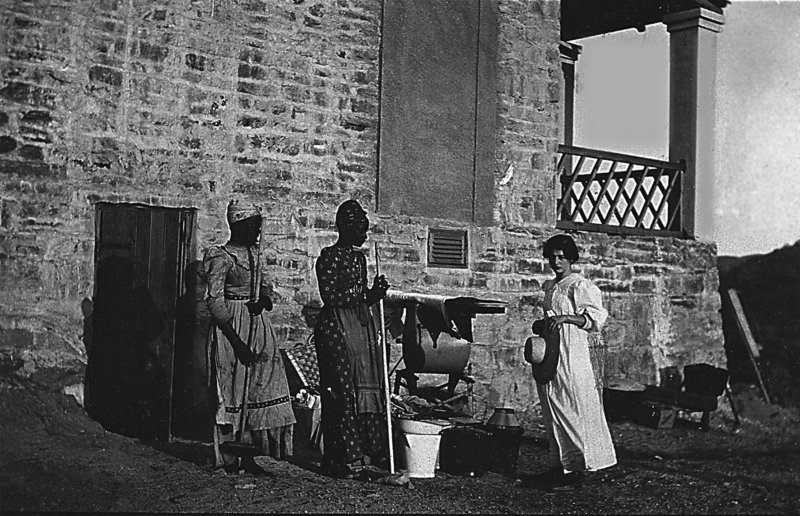
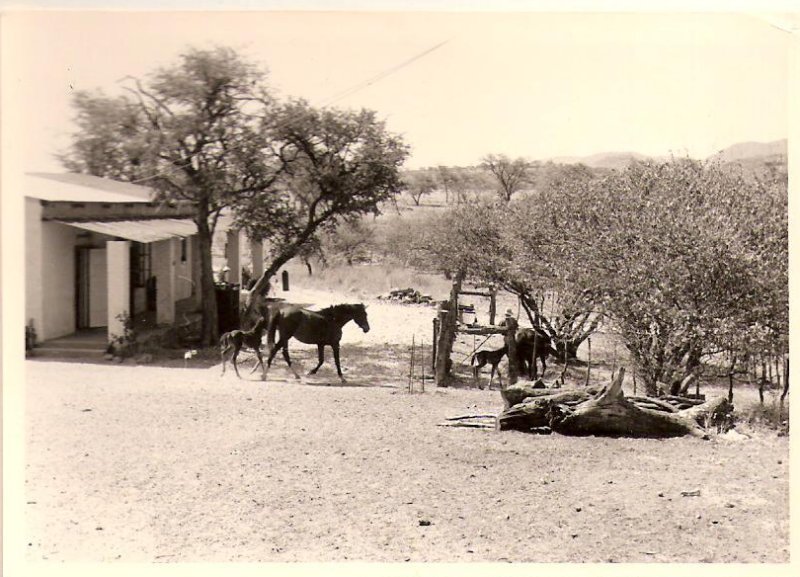
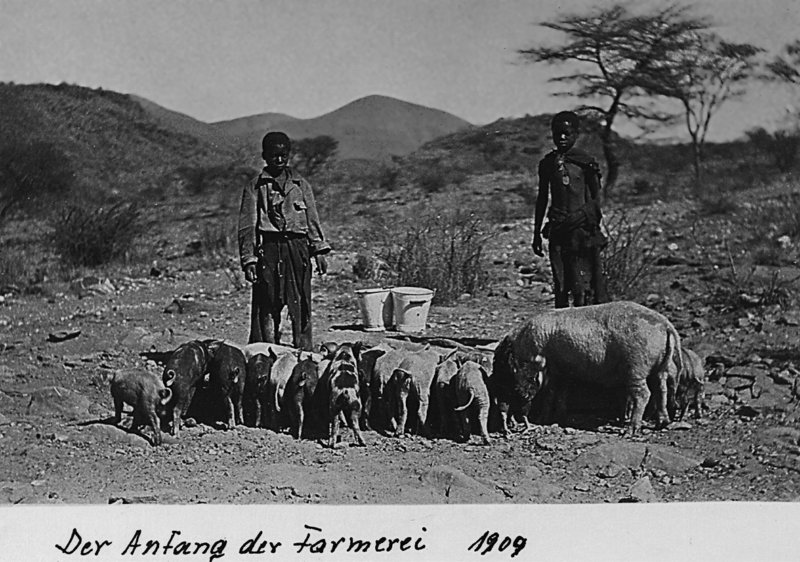
In 1942, Düsternbrook became the property of the Vaatz family. Following the difficult war years, the farmhouse was renovated and enlarged in 1949, giving it much of its present appearance. During the following decades, Düsternbrook developed into a traditional cattle and dairy farm.
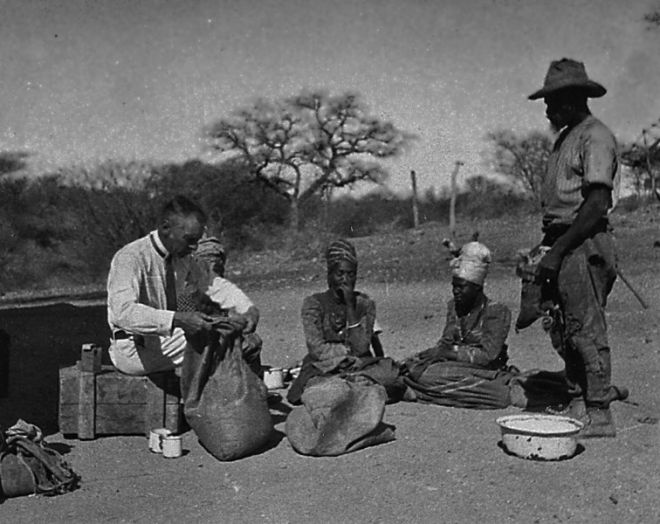
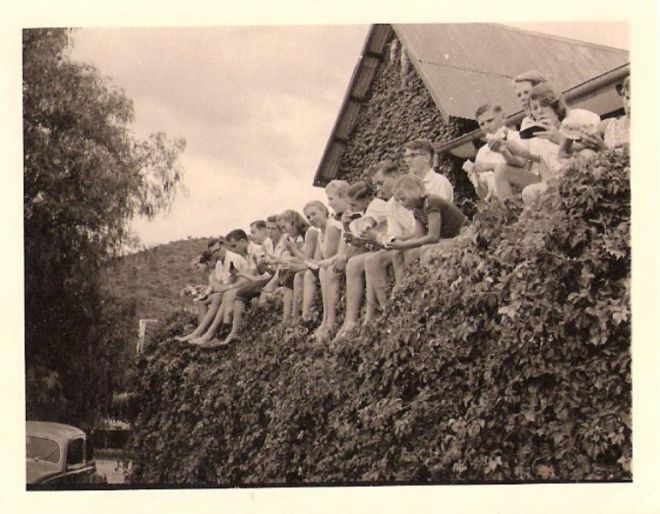
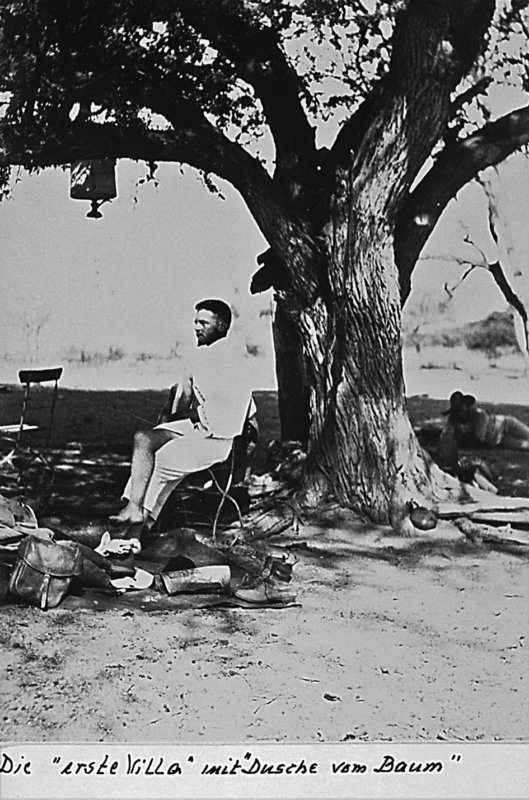
A major turning point came in 1961. During a draught and an outbreak of Foot-and-Mouth Disease and the resulting restrictions on livestock trading, Marga Vaatz established Namibia’s first guest farm and hunting farm.
A Remarkable Vision from 1962
In March 1962, Marga Vaatz published a letter in Namibia’s Allgemeine Zeitung entitled “What Is a Kudu Worth?” At a time when wildlife was still widely regarded as a competitor to livestock, the article argued that wildlife also possessed economic value and therefore deserved protection.
Looking back, the article anticipated many of the principles that later shaped wildlife conservation and sustainable use in southern Africa.
This pioneering step created an alternative source of income based not only on agriculture but also on tourism and the sustainable utilisation of wildlife.
About 1972 after approximately twelve years, only the guest farm operation was discontinued. For the following decades, Düsternbrook focused primarily on cattle farming and sustainable trophy hunting.
More than two decades later, these ideas helped influence Düsternbrook’s gradual transition from a traditional cattle farm into a wildlife reserve and safari guest farm.
In 1982, Johann Vaatz returned to Namibia after twelve years of professional engineering work in Germany. Four years later, in 1986, he took over the management of the farm. The reopening of the guest farm in 1993 marked the beginning of a new chapter in Düsternbrook’s history.
🇬🇧 What Is a Kudu Worth?
The following article was written by Marga Vaatz and first published in Namibia’s Allgemeine Zeitung on 6 March 1962. At a time when wildlife was still widely regarded as a competitor to livestock, the article raised a simple but important question: What is a kudu actually worth?
Looking back, many of the ideas discussed in this article anticipated principles that later became central to wildlife conservation and sustainable wildlife utilisation in Namibia and across southern Africa.
The article is reproduced here, in translation of the original german text, as a historical document and reflects the economic and social realities of its time.
What Is a Kudu Worth?
6.march 1962
Let me be clear: I am not asking what the kudu is worth — not Behn-Behnsen’s magnificent Windhoek kudu — but a kudu, an ordinary veld, bush and rocky-hill kudu.
The hunting season is approaching, and it may be interesting for once to consider, not in a kindly and hospitable manner, but from a cool, businesslike perspective, what a kudu actually costs a farmer.
Should farmers who for decades have faithfully protected their wildlife, and still do so today, enter their game population on the credit side or the debit side of their accounts?
Since the strangling grip of Foot-and-Mouth Disease has been around our throats, the credit side has in any case been a blank page, and no amount of tearing one’s hair out will change that. What on earth can one still turn into money on a farm today? Fine oxen are worth little more than a shrug. And the wildlife?
Undeniably, for every nature lover, wildlife is an aesthetic asset — one that costs nothing and brings in nothing.
Costs nothing?
“You still have so much game on your farm. Could I not perhaps shoot a kudu or a gemsbok at your place sometime?”
We have probably heard this question a hundred times, but never with the follow-up question:
“What would it cost?”
Let us set the value of a fully grown kudu or gemsbok equal to that of a tollie, that is, a male calf of about one and a half to two years old — approximately R14 to R20.
Anyone who has herds of game on the farm knows that, as a result, he can keep fewer cattle, even if kudus are browsers. Our cattle also prefer eating leaves before they starve to death in poor years.
So let us set the meat value of a fully grown kudu, at around 300 lbs at 10 cents per pound, at R30.
The farmer drives his hunting guests across the farm in search of the finest kudu bulls, back and forth over difficult terrain. The average distance covered — at least here in the Khomas Highlands — is about 60 miles. At a self-cost of R0.20 per mile for a Land Rover, this amounts to R12.00.
The farmer is away for an entire day. Shall we allow him, as a white chauffeur, a wage of R1.00 per hour? When a farmer has work done in town, he is charged labour costs of R1.50 to R2.50 per hour. For eight hours, he should therefore receive R8.00.
He also takes two black assistants with him, who together cost him R1.50 per day in wages and food.
So far, the kudu that has been shot already costs — net, that is, without any profit margin for the farmer — between R35.00 and R40.00.
And the bill still does not include, per hunting guest, a generous breakfast, a late lunch — the best for the guests — coffee and cake, and an extended sundowner: “I only drink whisky and soda!”
A kudu brought down successfully — and what about those wounded and not recovered? — easily costs the South West African farmer a net amount of R40.00 or more.
Too expensive?
What, as a businessman, would you strike from my calculation?
Besides, expensive is a relative term. A medium-sized stag in Germany costs around DM1,000, or R180. In East Africa, a hunting day costs between R80 and R140, regardless of whether anything is shot or not.
Can the South West African farmer, whose secure foundation of existence has been destroyed overnight by Foot-and-Mouth Disease, still afford today to be merely hospitable and not think in business terms?
Once he learns to think commercially, wildlife becomes an undeniable asset. The farmer then has not only an aesthetic interest, but also a financial interest in preserving and expanding his game population.
The biltong shooting would stop immediately.
Marga Vaatz
Farm Düsternbrook
P.O. Box 870
Windhoek